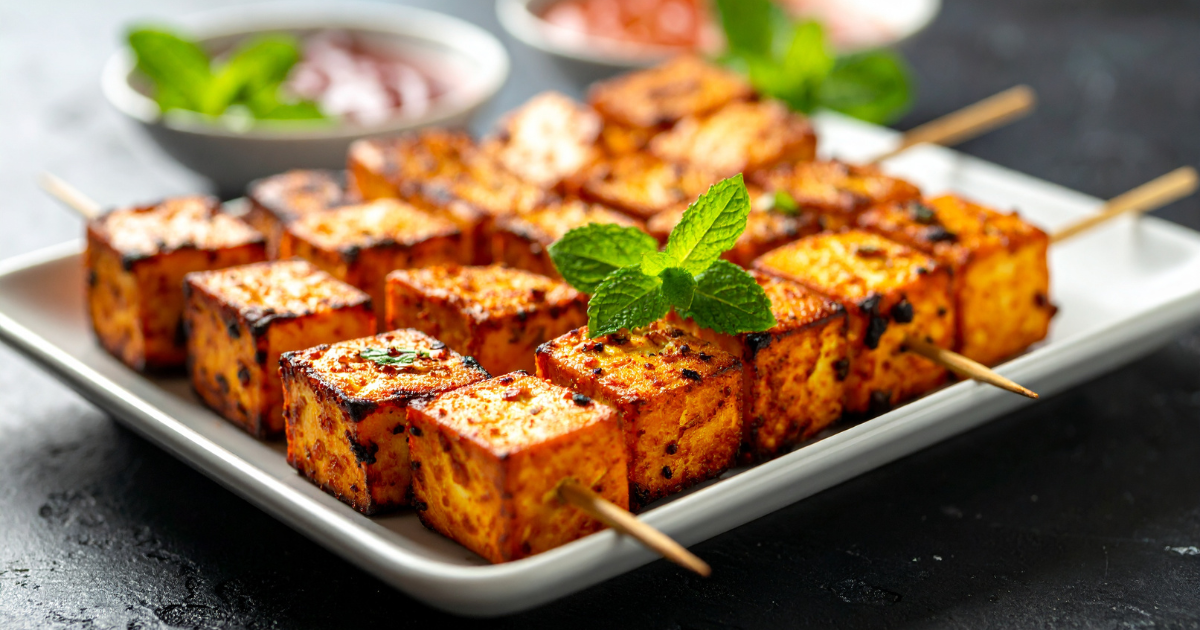
Many women in perimenopause have been told to avoid soy. But the relationship between tofu and perimenopause health is more nuanced (and more positive) than the headlines suggest. Before you remove it from your plate, it’s worth understanding what the research actually shows.
why soy gets a bad reputation
Tofu contains phytoestrogens, plant compounds that interact with oestrogen receptors. This has led to widespread fear about hormonal disruption, particularly among women already navigating the hormonal complexity of midlife. But the science doesn’t support that fear. Phytoestrogens are far weaker than the oestrogen your body produces. Rather than overriding your hormonal system, they modulate it, gently and contextually.
what perimenopause actually involves
Perimenopause is not simply a decline in oestrogen. It’s a period of fluctuation. Unpredictable shifts that affect energy, mood, sleep, and body composition, sometimes for years before periods stop entirely. This distinction matters. Phytoestrogens don’t amplify that instability. For many women, they may actually help buffer it.
the real benefits of tofu and perimenopause nutrition
Tofu offers several benefits that are directly relevant to this life stage:
- Protein — harder to meet in midlife, and more critical than ever for preserving lean muscle mass
- Muscle support — oestrogen shifts directly affect body composition, making adequate protein a priority
- Cardiovascular health — a growing concern as women move through the menopause transition
- Bone health — some evidence suggests soy isoflavones may support bone density, though more research is needed
Some studies also show reductions in hot flushes with soy isoflavones. Results vary across individuals, and researchers believe this comes down to how your gut metabolises isoflavones. Not whether soy works or doesn’t.
is tofu right for everyone?
No. And that’s worth saying clearly. Some women experience bloating or digestive discomfort with tofu and other soy products. If that’s you, it’s not the right tool, and there are plenty of other high-quality protein sources to explore. Individual tolerance always comes first.
It’s also worth noting that whole soy foods like tofu behave differently in the body than concentrated soy supplements. Food first is generally the more balanced approach.
the bottom line
Tofu is not a hormone disruptor. The fear around soy in perimenopause has outrun the evidence. For many women in midlife, tofu is a well-researched, protein-rich, versatile food that deserves a place on the plate, not a blanket ban based on outdated information.
If you’ve been avoiding it, this is a good moment to reconsider.